

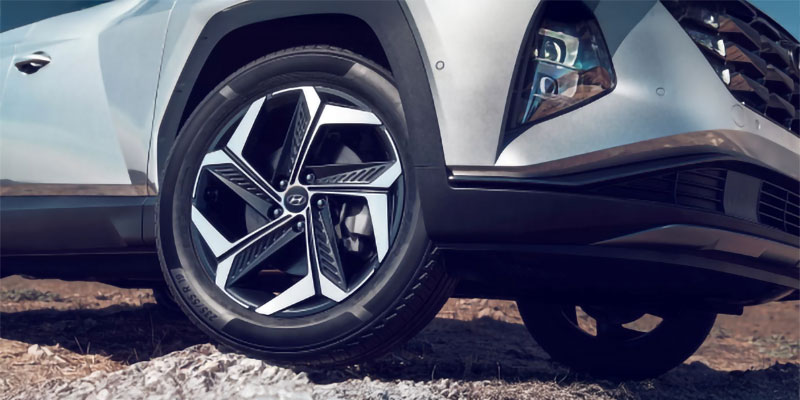
If you’ve been keeping up with automotive news, you may have heard that tire safety standards are getting more attention in 2026. If you drive a sedan, truck, or SUV, your tires are one of the most critical safety components you rely on every single day. At all three Red McCombs Drive Away Motors locations in San Antonio, TX, we help local drivers stay ahead of these industry updates. Contact our expert team today to learn more about your vehicle’s requirements and secure peace of mind on the road.
Why Tire Safety Standards Matter More Than Ever
Tire safety standards ensure that every tire sold and used on San Antonio roads meets a baseline level of performance, durability, and reliability. The National Highway Traffic Safety Administration (NHTSA) sets and enforces these regulations, requiring manufacturers to test tires for load capacity, speed ratings, traction, and wear resistance. Updated 2026 guidelines place a greater emphasis on consumer transparency, making the information printed on your tire sidewall more important than ever to understand for safe driving across San Antonio highways and local streets.
FAQ: Tire Safety for San Antonio Drivers
Q: How often should I have my tires inspected in San Antonio’s climate?
A: For San Antonio drivers, it’s recommended to check tire pressure monthly and inspect for tread wear and sidewall damage at every oil change or roughly every 5,000 miles. Heat and road conditions can accelerate tire wear, so frequent checks help maintain safety and performance.
Q: Can I use AI or apps to monitor my tire health?
A: Yes, many modern vehicles and aftermarket sensors can provide alerts for tire pressure, tread wear, or uneven wear. These tools are helpful, but a professional inspection at a trusted San Antonio service center is still recommended for accurate results.
Q: What should I do if my tire shows signs of uneven wear?
A: Uneven tread can signal alignment or suspension issues. Bring your vehicle to a local San Antonio service center for a diagnostic check to prevent further damage and maintain safety.
Q: Are summer and winter tires necessary in San Antonio?
A: While San Antonio rarely sees extreme winter conditions, summer or all-season tires designed for local temperatures provide optimal traction and safety year-round. High heat can accelerate wear on tires not suited for warmer climates.
Understanding Tire Ratings and What They Mean
Every tire comes with a series of ratings molded directly onto the sidewall. The Uniform Tire Quality Grading (UTQG) system provides three key metrics: treadwear, traction, and temperature resistance. Treadwear grades indicate relative lifespan, traction grades from AA to C reflect wet braking capability, and temperature grades show heat resistance at sustained speeds. Load index and speed ratings dictate the maximum weight and speed the tire can safely handle, ensuring your vehicle handles well whether you’re commuting on I-10, Loop 410, or local streets in San Antonio.
What’s Changing With Tire Safety Inspections in 2026
The 2026 updates standardize tire safety inspections as part of routine vehicle service rather than treating them as optional checkpoints. Qualified technicians now evaluate tread depth more rigorously, check for sidewall cracking or bulging, and verify inflation according to the manufacturer-recommended PSI. They also target uneven wear patterns, which often signal alignment or suspension issues that accelerate tire deterioration.
How to Stay Compliant and Drive Safely
Maintaining your tires requires just a few simple habits. Check your tire pressure monthly, especially during San Antonio heat waves that cause pressure to fluctuate. Rotate your tires every 5,000 to 7,500 miles to ensure even tread wear and consistent handling. Finally, replace your tires when tread depth reaches 2/32″, though many safety experts recommend replacing them at 4/32″ for better performance in wet conditions.
Making Sense of Tire Labels and Sidewall Information
A standard sidewall label like P215/65R16 98H contains essential size and construction data. The first letter indicates tire type (P for passenger), followed by the width in millimeters and the aspect ratio percentage. The letter R stands for radial construction, while the final numbers and letter represent wheel diameter, load index, and speed rating. Installing the wrong specifications compromises braking performance and overall vehicle safety.
Tire Safety Standards Keep Evolving
The 2026 tire safety standards reflect a broader commitment to vehicle safety, consumer transparency, and smarter driving. Tracking your tire ratings and staying consistent with routine inspections allows you to make confident decisions every time you get behind the wheel. Whether you are commuting across San Antonio, taking I-10 to nearby cities, or planning a long road trip, the right tires, properly maintained, make every mile safer.